Lebanese style garlic and lemon turkey

Standard

Thanksgiving is finally here! My favorite (American) holiday! I look forward to the holiday every year – I truly love the food, traditions, focus on family/togetherness and of course celebrating our great nation in unity with family and friends.

However, a constant refrain I hear during this holiday is how much people hate turkey. I’ve had friends tell me they no longer even make it since they hate the texture and taste. We have all experienced that dry mouth feeling of taking a bite of turkey that makes you feel like you’re about to choke. Well rest assured – turkey can be super moist and juicy if it’s made well.

The key to cooking a moist and juicy turkey is two fold – cook it slow and low (just like brisket) and make sure to cover the bird (again just like brisket) to keep it moist.

Another great tip – stop making a whole bird. Turkey will cook at different temperatures and you will never be able to properly marinate or cook the whole bird at one time. So highly recommend purchasing carved pieces and don’t worry too much about presentation (plus I think it’s quite yummy looking carved up).

Anyways – here’s my super easy, quick and healthy (low carb and paleo) recipe for turkey. I was inspired by a garlic and lemon chicken dish I had at a Lebanese restaurant and wanted a similar flavor profile for my dish.

Note: you’ll notice that there’s no brining in this recipe. That’s because kosher turkey is already soaked in salt water to absorb blood which is not kosher. So no brine needed for kosher turkey, if using non-kosher turkey brine away!

Ingredients:

– 2 turkey breasts

– 14 garlic cloves, chopped finely

– 1 sweet white onion, sliced length wise thinly

– half cup of parsley, finely chopped

– juice of 2-3 lemons (you’re aiming for about a 1/2 cup)

– salt and pepper

– 1/2 cup of olive oil

– 1 tablespoon of cumin

Instructions:

1. Preheat oven to 350 degrees.

2. Then place turkeys in a baking or roasting dish large enough to cover them.

3. Add onions around the turkey and then pour over the lemon juice and olive oil on the turkey. Then add the parsley, garlic and cumin on top like a rub. Sprinkle salt and pepper on top.

4. Feel free to add more oil or lemon if it looks dry in the dish. Cover the dish tightly with tinfoil (this is a critical step!). Then move to the oven.

5. Bake for 3 hours. Your turkey should be starting to crisp up but the meat will still be tender and juicy. Remove from the oven and let rest for 30 mins on your counter.

6. Enjoy your delicious and moist turkey! Happy holidays from Healthy Sephardic Cooking!
Fennel and orange salad

Standard

I was inspired to make this salad after reading this recipe (https://smittenkitchen.com/2014/02/fennel-and-blood-orange-salad/). I loved it but realized it was a bit too long winded to make so I simplified it considerably.

This salad is super healthy, delicious and most important – easy to make! A crowd fave for Shabbat and perfect for spring/summer to compliment a light meal.

INGREDIENTS

2 seedless navel  oranges (aim for oranges that are somewhat soft and very sweet – substitute mandarins if you can’t find oranges)

1 teaspoon of honey

1 teaspoon of salt

1 large fennel bulb, very thinly sliced crosswise

1/2 cup very thinly sliced sweet red onion

16 small fresh mint leaves, torn in half

3 tablespoons extra-virgin olive oil

1 teaspoon of lime juice

1/2 teaspoon of orange rind (optional)

PREPARATION

    1. Peel oranges and slice thinly. Wash fennel and also chop finely (use a mandolin)
    2. Toss all of the ingredients in large bowl and mix well. Season salad generously to taste with salt. Transfer salad to platter. Let sit for 15 mins at room temperature to let flavors set.


Butter chicken meatballs

Standard

Wow, it’s been over a year since I last blogged! Hope everyone has been doing well. I’ve been long overdue to share a few recipes, especially some new ones I’ve been tinkering with. But this one is by far a crowd fave. It’s so creamy and rich, that it honestly feels not kosher. Originally I was inspired by this recipe (https://tasty.co/recipe/butter-chicken-meatballs) and experimented around to make it kosher and also make it faster to make.

  1. Ingredients for 4 servings

    MEATBALLS

    • ½ cup bread crumbs(or use Gluten Free bread crumbs – or use none at all if you’re on a low carb diet.)
    • 1/2 cup finely diced onions (use your food processor to chop these – aim for a paste like consistency)
    • 6 cloves garlic, minced
    • 1 jalapeno finely diced (optional)
    • 1 egg
    • 2 teaspoons salt
    • ½ teaspoon pepper
    • 1 lb ground chicken
    • 1 tablespoon garam masala
    • 2 tablespoons of finely diced cilantro

    SAUCE

    • 1 tablespoon vegetable oil
    • 2 tablespoons coconut oil or margarine
    • 1 yellow onion, diced finely
    • 7 garlic cloves, finely minced
    • 1.5 tablespoon ginger, minced
    • 1 ½ teaspoon Cumin
    • 1 teaspoon Paprika
    • 2 ½ teaspoons garam masala, divided
    • ½ teaspoon cayenne pepper
    • 1 ½ teaspoons salt
    • 14 oz crushed tomato
    • 1/2 cup of powdered coconut milk (you can purchase this at Whole Foods or Amazon – sub just a half more can of coconut cream).
    • 2 cans of coconut cream (unsweetened – substitute full fat coconut milk)
    • fresh cilantro, minced, for garnish

    Meatballs: In a medium bowl, stir together bread crumbs, cilantro onions, jalepeno, garlic, egg, salt, and pepper, then mix until well-combined. Stir in ground chicken. Combine well, but do not overmix. With oiled hands, roll the meat into golf-size balls, set aside.

  2. Sauce: Heat vegetable oil in the same skillet over medium heat. Add onions and sauté until translucent, about 5 minutes. Add garlic and ginger, then let sizzle for a minute or two.
  3. Stir in all of your spices. Let spices heat through until fragrant, about 2 minutes. Add crushed tomatoes and bring sauce to a simmer. Whisk in the coconut cream and powder. Add the meatballs to the sauce and stir to coat. Cover and cook for 15 minutes, or until meatballs are fully cooked through.

A Kurdish Shabbat Experience!

Standard

A Kurdish Shabbat Experience!

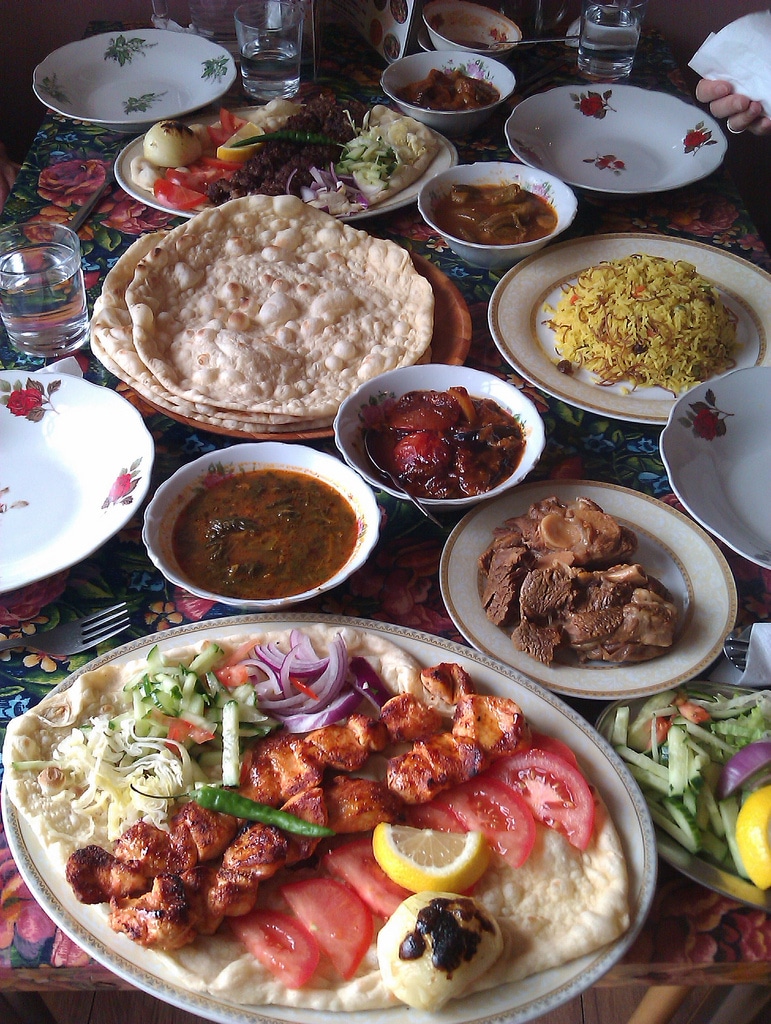
On Friday, July 13th, my organization Sephardic Jews in DC, in partnership with OneTable and JIMENA (Jews Indigenous to the Middle East and North Africa), will be hosting a traditional Shabbat dinner featuring delicious homemade kosher Kurdish food and a panel of phenomenal speakers.

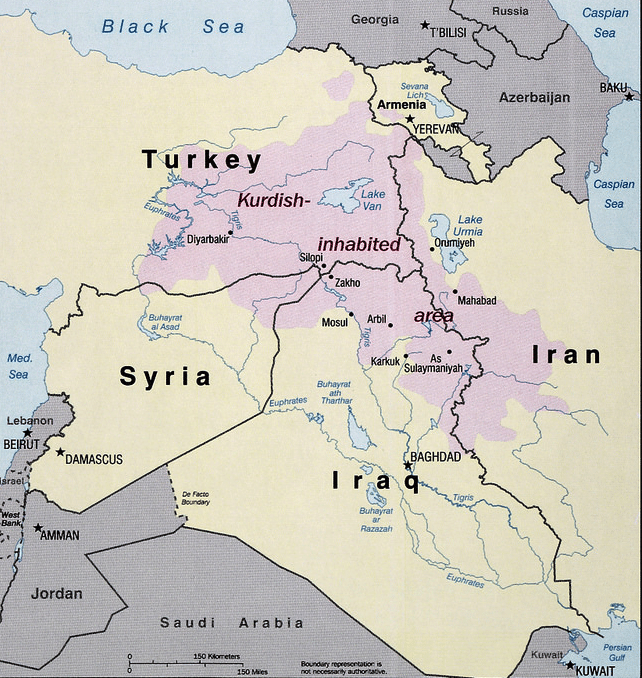
This panel is composed of those who have lived and worked in Kurdistan, and a Jew whose family lived in Iranian Kurdistan for many generations. Together, they will discuss the Jewish history of the Kurdish land, their struggle for independence, and why we as American Jews should care about the future of the Kurdish people.kurdish food

My first experience with the Kurdish Jewish people happened very serendipitously. Many years ago, a friend of mine suggested going to the Azura restaurant in Jerusalem’s Mahane Yehuda market to try their delicious Turkish food. As a Sephardic Jew of Turkish and Greek descent, I was excited to try out the food and practice my Ladino. Upon entering the homey restaurant, I spotted several very unique dishes. Some of these foods looked familiar to me, but other dishes looked like nothing I had ever seen before. My friend introduced me to the owner of the restaurant and told him I was a fellow Turkish Jew. I said hello to the owner with a Ladino greeting, and he replied back in a Kurdish dialect, which is a version of Judeo-Aramaic. My intrigue at the language he spoke led to a captivating conversation about his Kurdish heritage. From that moment on, I became deeply fascinated with the history of the Kurdish Jews.

Who are the Kurds? How did Jews get to Kurdistan? Where are they now? I had so many questions, and turned to the internet to help me get the answers I craved.

I learned that the Kurds are recognized as the largest stateless national group in the world. Although the vast majority of the 30 million Kurds in the world are Sunni Muslims, the Kurdish people also include many other faiths and religions due to the large area they inhabit.

kurdistan map

According to The Kurdish Project,

“After losing the opportunity for statehood post-WWI, the Kurds now exist as an ethnic minority spread out between Turkey, Syria, Iraq and Iran, and strive to maintain a culture that has been rapidly absorbed by their host countries. Borne from a long history of strife, Kurdish culture places value on individual freedoms. Whether it be overt religious tolerance, strides towards equality in the status of women, or democratic government, Kurdish culture values individual life and has fiercely defended its ability to live free from external rule.”

The Kurdish Project goes on to explain that over the years, Kurds have been targeted by various governments, for reasons ranging from lack of religiosity, to living on land with natural resources, and other border disputes.

Does this story and history sound familiar? Parallels between the Jews and Kurds have been drawn as early as the Ottoman Empire. Their struggle for independence mirrors one another in many ways.

The history of the Kurdish Jews can be traced back to the Israelites of the tribe of Benjamin. This tribe first arrived in the area of modern Kurdistan after the Assyrian conquest of the Kingdom of Israel during the 8th century BC. During this time, many Jews settled in rural and remote mountainous areas. Unlike the Jews in Europe and parts of the Middle East, many Kurdish Jews worked in agrarian occupations such as farming and trading. Kurdish Jewish society was mostly traditional and observant, but occasionally communicated with outside Jewish populations, such as Israel.

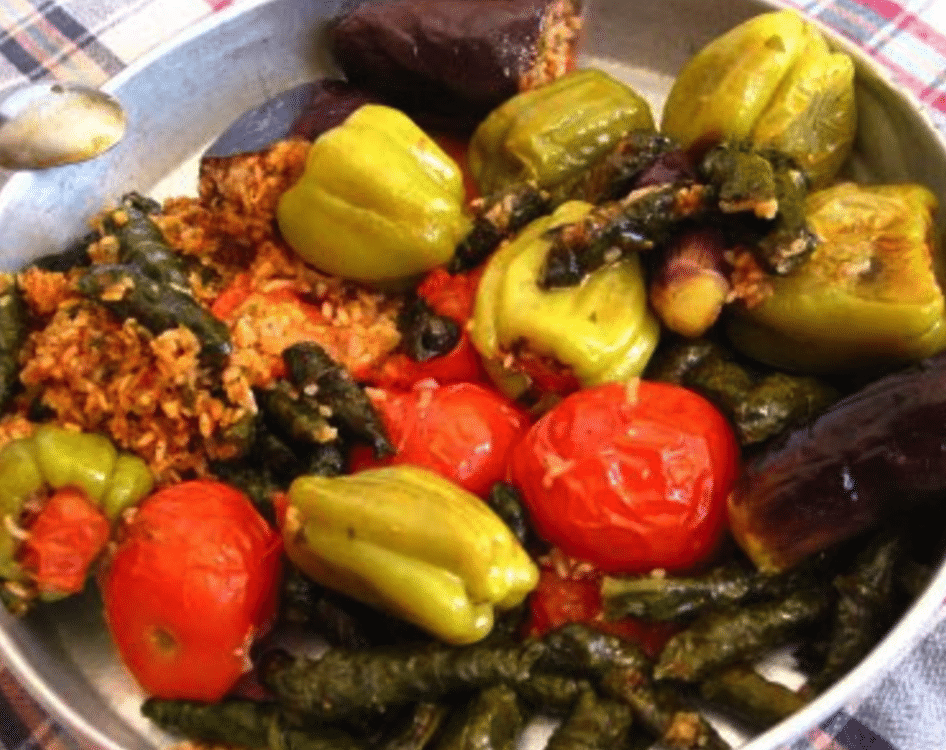
In many cases, Kurdish Jews merged Jewish customs with local tradition. This can be seen in Kurdish food, which reflects local food of their region that is cooked in accordance with the laws of kashrut. The majority of Kurdish Jews, who were concentrated in northern Iraq, left Kurdistan during Operation Ezra and Nehemiah (a mass emigration of Iraqi Jews to Israel) of 1950-52. This brought almost all Iraqi Jews to Israel, and meant the end of a long Jewish history in places once known as Assyria and Babylon.

kurdish food

Despite facing many challenges after arriving in Israel, the Kurdish immigrants started assimilating into mainstream Israeli culture within a single generation. Israel, in turn, began to absorb some of the Kurdish culture and cuisine. For example, the popular Kurdish dumpling soup called Kubbeh, is now a national Israeli dish. Today, Kurdish Jewry is deeply zionist and settled mainly in Jerusalem.

However, The Yale Israeli Journal explains that even after living much of their lives in Israel, many Israeli Kurds deeply connect with their native Kurdistan, and strive for an independent Kurdish state.

Next Friday, we will come together for a Shabbat dinner to learn more about the Kurds’ compelling history and enjoy their traditional foods. This dinner is open to everyone!

Please register here ASAP as space is limited.

Parve Mexican Elote Corn salad

Standard

32459426_10113328793383031_4133991187306512384_n.jpg

I love Mexican style street corn. The mixture of salty, to creamy, to spicy, to sweet and savory, hits every taste bud on my tongue. I really wanted to make it for a recent Shabbat dinner I hosted but struggled with how to replace the creamy taste for a meat meal.


I didn’t want to use a dairy free cheese 32512010_10113328793333131_4764545412025548800_n.jpgsubstitute (too rubbery) and while I love nut based “cheeses” I knew aesthetically it wouldn’t look appealing. So I experimented around until I came up with this recipe, and finally found something that hit all of the notes of a traditional corn elote salad but was still parve/dairy free. This salad is perfect for a summer bbq or dinner party since it’s super light but very flavorful.

As always this is super easy to make and still fairly healthy, but unfortunately it’s not paleo or low carb.

Ingredients:

  • 5 ears of fresh corn (substitute 2 bags of sweet white corn)
  • 1 jalapeno finely diced
  • 1.5 tablespoon mayonaise
  • 1.5 teaspoon of nutritional yeast
  • 1/2 cup of cilantro
  • 1 teaspoon sea salt
  • 1 teaspoon garlic powder
  • 1 tablespoon of sriracha (another squirt for garnish)

Recipe:

  1. Strip the corn from it’s husk and place on grill or bbq until lightly charred on all sides. If you don’t have a grill or are short on time just microwave 2 bags of frozen corn. Cut the corn off the cob once done and let it cool.
  2. Once the corn has cooled off and reached room temperature add the mayonnaise, nutritional yeast, garlic powder, cilantro, sriracha, salt, and jalapeno. Mix very well. Feel free to taste at this point and add more nutritional yeast or mayonnaise depending on how creamy/cheesy you want it.
  3. Let sit for 10 minutes and then serve. I garnished it with some cilantro leaves and a squirt of sriracha on top.

Mango salad

Standard

32647398_10113328793472851_7279313338666844160_nLet me start by saying I can’t claim this recipe at all. I had this amazing dish at the home of a friend of mine and was blown away by the taste.

It is so simple and yet so flavorful, and perfect for a summer BBQ. The most important part is to have ripe and fresh mangoes on hand for this one otherwise it won’t work.


Ingredients:

  • 4 ripe mangos – ripe meaning soft and bright yellow – chopped into bite size 1 inch pieces
  • 1 jalapeno (deseeded) chopped finely
  • 1.5 teaspoon of sea salt
  • 1/4 cup of parsley diced finely
  • 1/4 cup of fresh mint diced finely
  • 2 tablespoons of lime juice
  • 6 radishes chopped up into small bite size pieces (same as the mango)
  • 1 tablespoon of olive oil

Steps (really only one):

  1. Combine ingredients into a large salad bowl and mix thoroughly. Let sit for 20 minutes. Serve and enjoy. The salad can store well for 24 hours but I wouldn’t recommend keeping it much longer than that.

Mexican Gefilte Fish with a Sephardi Twist

Standard
32699967_10113328793542711_965639296750977024_n

The chef at work

So I made something last week that I never thought I would make (at least not with a straight face), that’s right Mexican style gefilte fish. Now before you start dry heaving at the thought (which was my initial reaction) let me assure you that this tastes nothing like jarred or frozen gefilte fish. It is light and fluffy, not super fishy, and full of flavor.

I had the pleasure to sample some Mexican style gefilte fish

32191234_10113307842004761_7885926853037260800_n

The final result 🙂

many years ago while on a cooking program sponsored by TENT NYC. The lovely ladies who made the dish sparked my interest in it (despite my initial trepidation) but I never had the occasion to remake the dish until recently when I cohosted a Latin Shabbat dinner with Chabad of Washington DC (shout out to the Rebbetzin who encouraged me to make it).

Initially I followed Patti Jinich’s recipe, but to be honest I didn’t love it.  It was missing something. So then I started to experiment and my creative juices flowed. When I first made the mixture I worried because the mixture didn’t seem like it was going to hold together, sure enough some didn’t, so I added more matzoh meal to bind it together. Then the sauce just didn’t seem right, not flavorful at all and didn’t pair super well with the fish (which was super bland as well). So I changed that too.

32512010_10113328793333131_4764545412025548800_n

All of the appetizers

At the end I was left with a recipe and dish that I could proudly stand behind and call my own.

Also as always this dish is relatively easy to make and super healthy and not super high in carbs (minus the matzoh meal). This is a perfect dish for Shavuot, especially for those doing a Mexican themed meal.


Ingredients (Makes 30 patties):

For the fish patties:

  • pounds fresh salmon fillets – no skin or bones
  • 1/2 white onion quartered, about 1/2 pound
  • 2 carrots peeled and roughly chopped, about 1/4 pound
  • 3 eggs
  • 1 cup matzo meal
  • 2 teaspoons kosher or sea salt or to taste
  • 1 tablespoon of brown sugar
  • 1/2 teaspoon ground white pepper or to taste
  • 1 jalapeno finely chopped (seeds removed)
  • 5 cloves of garlic
  • 1/2 cup of fresh cilantro
  • 1 tablespoon of cumin


  • For the red sauce:
  • 3 tablespoons olive oil
  • 1/2 cup white onion chopped
  • 1 cup of premade salsa (I used the one from Trader Joes)
  • 5 cloves of garlic finely chopped
  • 1 28-ounce can crushed tomatoes
  • 3 cups water
  • 1 tablespoon brown sugar
  • 2 tablespoons sriracha
  • 1 teaspoon kosher or sea salt or to taste
  • teaspoon ground white pepper or to taste
  • 1 cup of diced cilantro
  • 1 tablespoon cumin
  • 1 tablespoon paprika
  • 1/2 cup green olives with no pits (optional)
  • 2 tablespoons capers (optional)

To Prepare

  1. To prepare the fish patty mixture: Rinse the salmon fillets under a thin stream of cool water. Slice into smaller pieces and place in the food processor. Pulse for 5-10 seconds until fish is finely chopped but hasn’t turned into a paste. Turn fish mixture into a large mixing bowl.
  2. Place the onion, carrots, jalapeno, garlic, cilantro into a food processor and blend until it’s finely chopped (don’t liquify turn this into a paste). 
  3. Add the chopped vegetables to the fish in the bowl. And then add the eggs, matzo meal, salt, sugar, cumin and white pepper into same bowl. Blend well. Let sit for 15 minutes at room temp.
  4. To prepare the red sauce: Heat the oil in a large cooking pot over medium-high heat. Add the chopped onion and garlic, jalapeno and let it cook for 5-6 minutes, stirring, until soft and translucent. Pour the crushed tomatoes and salsa into the pot, stir, and let the mix season and thicken for about 6 minutes. Add the spices and 3 cups water, 2 tablespoons sriracha, salt and white pepper. Stir and bring to a boil. Reduce the heat to low and bring sauce to a gentle simmer. Continue to simmer while you roll the gefilte fish patties.
  5. Place a small bowl with lukewarm water to the side of the simmering tomato broth. Start making the patties. I  followed Patti’s advice and made them 3” long, 2” wide and 1” high, in oval shapes. Keep in mind these will increase in size as you cook and double. Wet your hands as necessary, so the fish mixture will not stick to your hands. If it does stick to your hands add a bit more matzoh meal. As you make them, gently slide each patty into the simmering broth. Make sure it is simmering and raise the heat to medium if necessary to keep a steady simmer.
  6. Once you finish making the patties, cover the pot and bring the heat to low. Cook them covered for 25 minutes. Take off the lid, incorporate the olives  and capers. Give it a gentle stir and simmer uncovered for 30 more minutes, so the gefilte fish will be thoroughly cooked and the broth will have seasoned and thickened nicely.
  7. Serve hot or warm. This dish reheats nicely so it’s fine to make in advance 1-3 days before. It should stay fresh for 1-2 days. 

Smashed Garlic and Za’atar Potatoes

Standard

Okay so this recipe isn’t low carb, but it is still fairly healthy. More importantly it’s SUPER EASY. No really, I mean like ridiculously easy to make and your guests will love it. Totally delicious as a side dish for Shabbat dinner or a weekday meal.

If you’re on a low carb diet, either use small potatoes or substitute the potatoes for Jerusalem artichokes which are lower in carbs.

Ingredients:

  • 10-15 small golden potatoes, well washed (keep skins on)
  • 4 tablespoons of za’atar spice mixture (aim for one that’s made with olive oil)
  • 6 tablespoons of high quality olive oil
  • 1 tablespoons of garlic salt
  • Pam spray
  • 4 cups of water
  • 1 teaspoon pepper

Instructions:

  1. Preheat your oven to 400 degrees.
  2. Place water in a small pot and heat until water is simmering. Gently lower in the potatoes and let cook for about 7-10 minutes until potatoes are slightly tender. Meaning not fully cooked but also not super hard. Remove potatoes from the water using tongs or a slotted spoon and set aside.
  3. Spray a flat baking sheet with Pam spray, then place the potatoes on top. Using either a sturdy spoon or potato masher lightly press down on the potato. The goal is to “smash” it but not to smithereens, you want to preserve the basic shape of the potato and not make it into a million pieces.
  4. Liberally pour the olive oil onto the potatoes coating them very well. Then sprinkle the za’atar, pepper, and garlic salt on top.
  5. Place tray in the oven and bake for 15-20 mins, or until potatoes are golden brown.


Tabouli Salad with Cauliflower rice

Standard

Hope everyone is having a fantastic summer! Sorry for the delay in posts, I’ve been super busy with work and hosting Sephardic events. But I just made the most delicious salad and knew I had to share the recipe with you all (plus I promised my friends I would)! It’s seriously perfect for the summer and Shabbat dinner since it’s so refreshing and light. The best part is that it perfectly recreates the taste of a classic tabouli salad with far fewer calories and carbs and is SUPER easy to make. Ideal for Keto, Low Carb or Paleo diets!

Ingredients:

  • 1 lb bag of cauliflower rice – I use the Trader Joes brand (or if you’re making your own about 6 cups worth)
  • 20 grape tomatoes, finely diced
  • 2 small persian cucumbers, finely diced
  • 3 stalks of green onions (half cup), finely diced
  • 1 large bunch of parsley, very finely diced (about 3/4 of a cup)
  • 2 sprigs of mint, very finely diced (about 1/4 of a cup worth)
  • 1 small red onion, finely diced
  • 3 garlic cloves, very finely diced (please be careful to dice this very finely because the garlic will be raw)
  • 1 teaspoon salt
  • Juice of 1 lemon
  • 2 tablespoons of olive oil
  • 1 tablespoon of pomegrante molasses or tamarind paste/molasses
  • 1 teaspoon of Sumac (optional -replace with an additional tablespoon of lemon)
  • 1/2 cup of ground walnuts (optional)
  • 2 tablespoons of water

Directions:

  1. Empty the bag of cauliflower rice into a small microwaveable container along with the 2 tablespoons of water – microwave your cauliflower rice for 2 minutes until it is slightly tender and soft. You can also steam it for a few minutes – just don’t let it get soggy. The goal is slightly tender.
  2. Set aside and let cool, once cooled off add to a larger salad bowl.
  3. Add in the rest of the ingredients listed above to the bowl and mix very well. Let sit in the fridge for about 15-20 minutes to let the flavors combine. Then garnish with parsley leaves and sumac powder and serve.

Sephardic Mimouna and Recipe for Easy to Make Mufleta

Standard

Sharing this  article on the recent Mimouna I co-hosted along with Moishe House DC and Israeli House DC. Writing is by the lovely and talented Alyssa Silva:

CELEBRATING MIMOUNA AT MOISHE HOUSE

WRITTEN BY ALYSSA SILVA ON 04 MAY 2017. POSTED IN COMMUNITY NEWS

A three-century-old North African Sephardic celebration known as Mimouna is now celebrated around the world with parties to mark the return to eating chametz after Pesach. On April 20, Moishe House Columbia Heights teamed up with The Israeli House and Sephardic Jews in DC to bring the tradition of Mimouna to the Greater Washington area.

18033580_10110777679186331_2761898665015672060_n“Sephardic Jews in DC was thrilled for the ability to co-host and cater a Mimouna party alongside Moishe House and Israeli House,” said Sephardic Jews in DC Founder and Director Jackie Feldman. “Our Mimouna is a new spin on an ancient custom, complete with a mix of traditional tunes and popular Israeli music, lots of delicious freshly made pastries (both home made and catered from Yekta Market), an amazing henna artist, and lots of young professionals from across the DC metro area.”

Moishe House is an international organization whose mission is to provide a vibrant Jewish community for young adults by supporting leaders in their 20s as they create meaningful home-based Jewish experiences for themselves and their peers. With 100 houses (and more on the way!) all over the world, they have reached out to 625,000 young Jewish adults in 10 years.

Members of DC’s diverse Jewish community come from different backgrounds. “I grew up in a Sephardic and Ashkenazi household, and my parents gave me the opportunity to experience so many wonderful traditions,” said Sam Itin, a Moishe House Columbia Heights Resident. “Mimouna was always a chance to come together with new friends and family, something I was able to continue to be a part of tonight!”

Moishe House Columbia Heights engages over 1,200 young Jewish adults between the ages of 22 and 32 through seven programs a month, ranging from Jewish learning, Jewish culture and holiday celebration, tikkun olam programming, and social events. Our events are public and open to the Greater Washington area’s entire young Jewish adult community and their friends. Check out Moishe House DC’s Facebook page for a calendar of events and sign up for our monthly newsletter, and visit www.moishehouse.org for more information about our and other Moishe Houses in the area and around the world.


Recipe below for Mufleta [Moroccan Crepes] (courtesy of my Moroccan friend Miriam) – makes approximately 40 small crepes

Ingredients:

  • 6 eggs
  • 1 tablespoon of sugar
  • 1 teaspoon of salt
  • 4 and 1/4 cups of sifted flour
  • 6 and 1/4 cups of almond milk (you can also make this with normal milk)
  • Spray oil (Pam)
  • Toppings
    • 1 tablespoon margarine or butter melted
    • 2 tablespoons of honey
    • 1 tablespoon cinnamon

Instructions:

  1. Mix the eggs, sugar, flour and almond milk together very thoroughly in a large bowl until there are no lumps.
  2. Heat a non-stick frying pan to Med/Hot and spray a little bit of Pam on it – goal is to  lightly coat the pan.
  3. Once hot, use a ladle and pour about a 1/4 cup of the mixture onto the pan letting it coat the entire bottom of the pan. Let cook for a minute.
  4. Using a thin spatula flip the crepe once it’s golden brown and let cook for another minute.
  5. Place crepe on a plate on the side and begin to stack them on top of each other. Once you’re done with them all drizzle honey and melted butter (or margarine) on top and sprinkle with cinnamon.